
Exploring Motion Platforms: Types, Mechanics, and Applications
Exploring Motion Platforms: Types, Mechanics, and Applications
Simulator Motion Platforms and VR Integration
Introduction
Simulator motion platforms have revolutionized the world of virtual experiences, offering an immersive and realistic sensation of movement and physical engagement. These platforms are used in various industries, from gaming and entertainment to professional training and research. In this comprehensive article, we will delve deep into the world of motion platforms, exploring their different types, mechanics, diverse applications, and their integration with virtual reality (VR).
Types of Motion Platforms
Motion platforms can be broadly categorized into three main types, each with its unique characteristics and applications:
Linear Actuator Platforms:
- Mechanism: Linear actuator platforms move users along a straight line in one or more axes. They use electric or hydraulic actuators to push and pull the user to simulate motion.
- Applications: Linear platforms are commonly used in flight simulators and racing simulations to replicate the sensation of acceleration and deceleration.
6-DOF Motion Platforms:
- Mechanism: Six Degrees of Freedom (6-DOF) motion platforms provide motion along all six axes: up/down, forward/backward, left/right, pitch, yaw, and roll. They use a combination of actuators and mechanical linkages to offer a highly immersive experience.
- Applications: 6-DOF platforms are ideal for flight simulators, driving simulators, and theme park rides. They offer a complete sense of freedom of movement.
Spherical Motion Platforms:
- Mechanism: Spherical platforms are based on a spherical design and allow users to move in any direction within a spherical space. They often use a combination of motors and cables to enable movement.
- Applications: Spherical platforms are used in virtual reality (VR) applications, entertainment attractions, and training simulators where unrestricted movement is essential.
How Motion Platforms Work
Motion platforms rely on a combination of mechanical and electronic components to create a convincing sense of motion. Key components and working principles include:
- Actuators: Electric, hydraulic, or pneumatic actuators are used to generate motion. These actuators push, pull, or tilt the platform to simulate movement.
- Motion Control Systems: Sophisticated control systems and algorithms are used to precisely coordinate the motion of the platform with the virtual environment. This synchronization is critical to creating a seamless and immersive experience.
- Sensors: Motion platforms incorporate various sensors, such as accelerometers and gyroscopes, to detect the user’s movements and provide real-time feedback to the control system.
- Feedback Systems: Force feedback mechanisms, like haptic feedback or vibration, are often integrated to enhance the sensory experience and provide realistic tactile sensations.
- Virtual Environments: Motion platforms are typically used in conjunction with VR headsets and simulation software to create a complete virtual experience.
The integration of motion platforms with virtual reality (VR) is a game-changer, as it creates a truly immersive experience by synchronizing the user’s movements with the virtual environment. This synergy between motion platforms and VR takes simulation to a whole new level, making it feel like you’re truly inside the virtual world.
For linear actuator platforms, the combination with VR involves wearing a VR headset that provides a 360-degree view of the virtual environment. As the linear actuators move the platform, the user’s visual and auditory senses are fully immersed in the digital world. The coordination between the motion platform and the VR headset enhances the sensation of motion and realism. For example, in a racing simulation, as you accelerate and take a sharp turn, the motion platform tilts, and the VR headset follows, creating the illusion of real G-forces and dynamic driving experiences.
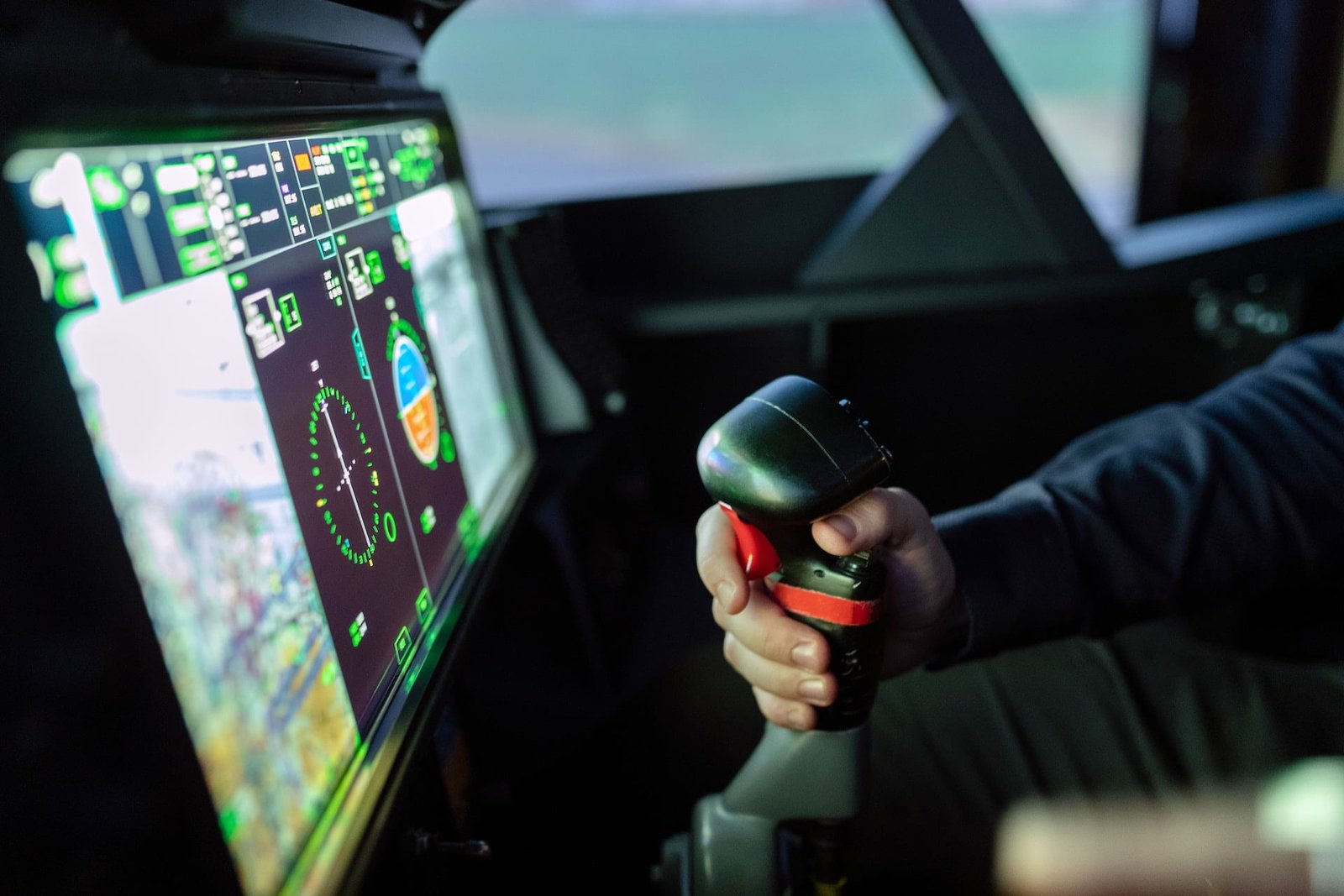
6-DOF motion platforms take the VR integration to another level by providing more degrees of freedom. In aviation and space simulators, the user not only sees the cockpit but can also move and interact with the controls. The platform’s movements correspond precisely to the aircraft’s dynamics, giving pilots a realistic training environment.
Spherical motion platforms, when combined with VR, provide the most immersive experience. Users can freely walk, run, and explore within the virtual world. This combination is particularly popular in VR arcades, allowing users to physically explore virtual spaces. These platforms provide an experience closest to true teleportation to a digital realm, offering full sensory immersion.
Applications of Motion Platforms
Motion platforms have a wide range of applications, from entertainment and gaming to professional training and scientific research:
- Entertainment and Gaming: Motion platforms are widely used in arcade games, amusement park rides, and home gaming setups. They add a new dimension to gaming by providing an immersive experience that enhances the sense of realism.
- Flight Simulators: In aviation training, motion platforms are crucial for simulating flight conditions, allowing pilots to practice handling various aircraft in a safe and controlled environment. The combination of 6-DOF motion and realistic cockpit interfaces creates an environment where pilots can train for various scenarios and emergencies.
- Driving Simulators: Motion platforms are popular in racing simulations, where they recreate the sensations of acceleration, braking, and cornering. They are used for both entertainment and professional driver training. Motorsport teams and racing schools use these simulators to train drivers in a controlled and cost-effective environment.
- Medical Training: Medical professionals and students use motion platforms for surgical training, endoscopy, and other medical procedures to gain hands-on experience in a safe environment. These platforms offer realistic haptic feedback to simulate the feeling of surgery, making them invaluable for medical education.
- Research and Development: Researchers use motion platforms to study human movement, human-machine interaction, and the effects of motion on human perception and performance. The data collected from these platforms help in designing better user interfaces, improving motion sickness mitigation techniques, and enhancing training programs.
- Theme Park Attractions: Many theme park rides and attractions incorporate motion platforms to offer thrilling and immersive experiences to visitors. The combination of motion, VR, and special effects creates unforgettable experiences.
- Military Training: Military forces use motion platforms for training in various scenarios, including combat, vehicle operation, and helicopter or aircraft piloting. These platforms provide a safe environment for soldiers to hone their skills and simulate realistic battle conditions.
Applications of Motion Platforms in VR
The integration of motion platforms with VR expands their applications even further:
- VR Gaming: In the realm of VR gaming, the use of motion platforms enhances the sense of presence and engagement. Whether you’re exploring an alien planet, fighting off zombies, or solving puzzles, the combined experience of VR and motion platforms creates a heightened level of immersion.
- Training and Simulation: Beyond entertainment, VR motion platforms are essential in various training scenarios. Military and emergency response personnel can simulate real-life situations, while medical professionals can practice surgeries and complex procedures in a safe and controlled environment. This training is invaluable for skill development and crisis response preparedness.
- Tourism and Exploration: Virtual tourism and exploration benefit from motion platforms in VR. Users can visit far-flung destinations, explore historical sites, or even venture into outer space, all while experiencing the physical sensations of the journey.
- Architectural Visualization: Architects and urban planners can use VR with motion platforms to visualize and interact with 3D models of buildings and cityscapes. This helps in assessing design choices and understanding the scale and impact of architectural projects.
Conclusion
Motion platforms, in combination with virtual reality, offer an unparalleled level of immersion and realism in various applications, from gaming and entertainment to professional training and research. The integration of VR enhances the sensory experience, making users feel as though they are truly part of the virtual environment. As technology continues to advance, motion platforms are poised to play an increasingly pivotal role in creating experiences that push the boundaries of reality and human perception. The future holds exciting possibilities for enthusiasts and professionals alike as they explore the ever-evolving world of motion platforms in conjunction with virtual reality.
WE DO WALK THE WALK
DECADES OF EXPERIENCE
OUR TEAM HAS DECADES OF REAL EXPERIENCE IN THE AVIATION BUSINESS.
